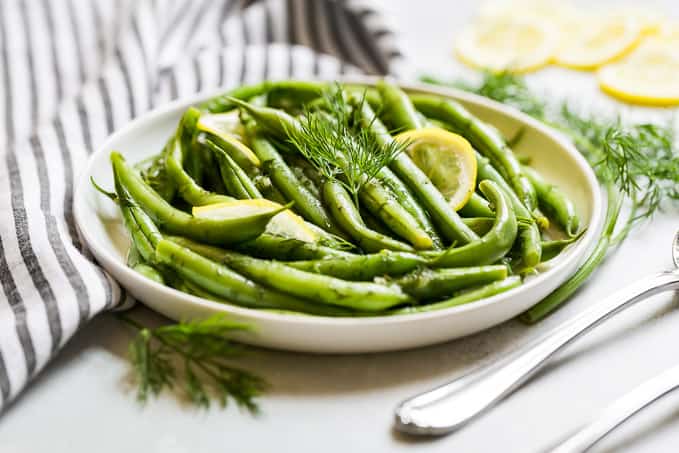
Unlock Vibrant Flavor: The Versatile Lemon Dill Vinaigrette for Perfect Green Beans
Imagine a side dish that not only brightens your plate with verdant color but also tantalizes your taste buds with a symphony of fresh, zesty, and herbaceous notes. That's precisely what you get when you combine tender-crisp green beans with a homemade lemon dill vinaigrette. This isn't just any dressing; it's a culinary game-changer, elevating simple vegetables into an unforgettable experience. Forget bland, forget boring – prepare to transform your weeknight dinners and special occasion spreads alike with this incredibly versatile and utterly delicious pairing.
The beauty of a perfectly crafted lemon dill vinaigrette lies in its simplicity and the potency of its fresh ingredients. When drizzled over impeccably cooked green beans, it creates a harmony of textures and flavors that is both comforting and sophisticated. This article will guide you through mastering this exquisite dressing and achieving the ideal preparation for your
Easy Lemon Dill Green Beans: Fresh Vinaigrette Recipe, ensuring every bite is a testament to fresh, vibrant cooking.
The Magic Behind the Mix: Crafting Your Lemon Dill Vinaigrette
A truly exceptional vinaigrette begins with stellar ingredients. While store-bought dressings offer convenience, they often lack the unparalleled brightness and nuanced flavors of a homemade version. Our lemon dill vinaigrette harnesses the power of fresh produce and pantry staples to create a dressing that is both robust and delicate, perfectly suited to complement, not overpower, your dishes.
Why Fresh Ingredients Matter Most
The adage "fresh is best" rings particularly true for this vinaigrette.
*
Fresh Lemon Juice: This is non-negotiable. Bottled lemon juice pales in comparison to the vibrant, tangy, and aromatic essence of freshly squeezed lemons. For an extra punch of citrusy flavor, consider adding a touch of finely minced lemon zest – it contains oils that are packed with aroma. While white wine vinegar or rice vinegar can be emergency substitutes for the acid, they won't replicate the unique profile of fresh lemon.
*
Fresh Dill: The star of the show. Fresh dill provides a unique, slightly anisy, grassy, and sweet flavor that is irreplaceable. Dried dill weed simply doesn't offer the same aromatic depth or textural appeal. If you have extra fresh dill, don't let it go to waste – it's fantastic in potato salads, with salmon, or in creamy dips.
*
Extra-Virgin Olive Oil (EVOO): Choose a high-quality EVOO. Its fruity, sometimes peppery or grassy notes contribute significantly to the overall flavor profile and mouthfeel of the vinaigrette. Since it's a no-cook method, the olive oil's characteristics shine through.
Key Components and Their Roles
Beyond the core fresh ingredients, several other components play crucial roles in building the complexity and texture of the vinaigrette:
*
Shallots: Finely minced shallots add a delicate, subtly oniony and garlicky flavor without the harshness of raw onion or the intense pungency of raw garlic (though a very small clove of minced garlic can be substituted if preferred). They integrate beautifully into the dressing, providing a gentle aromatic background.
*
Dijon Mustard: More than just a flavor enhancer, Dijon mustard is a natural emulsifier. Its proteins help to bind the oil and acid together, preventing them from separating quickly and creating a beautifully smooth, slightly thickened dressing. Avoid yellow mustard; whole-grain or stone-ground Dijon can also work, offering a different textural element.
*
Honey or Maple Syrup: Just a teaspoon or two of a natural sweetener like honey or maple syrup is all that's needed to balance the tartness of the lemon and the savory notes of the Dijon and shallots. It rounds out the flavors without making the dressing overtly sweet.
*
Salt and Pepper: Essential for seasoning. Always taste and adjust to ensure the vinaigrette is perfectly balanced.
Mastering the Emulsion and Texture
While many homemade vinaigrettes use equal parts oil and acid, for this lemon dill dressing, a slightly reduced amount of lemon juice can yield a thicker, creamier texture without sacrificing the lemony essence. The process is straightforward:
1. Combine the minced shallot, fresh dill, Dijon mustard, honey, and a pinch of salt and pepper in a bowl.
2. Whisk in the fresh lemon juice until well combined.
3. Slowly drizzle in the extra-virgin olive oil while continuously whisking. This gradual addition, combined with the emulsifying power of Dijon, helps create a stable, creamy emulsion.
4. Once all the oil is incorporated, taste and adjust seasoning as needed. If you want even more citrus punch, you can always add a bit more lemon juice, but be mindful of the creamy consistency.
For more detailed insights into perfecting your dressing, check out
Mastering Lemon Dill Vinaigrette: Fresh Ingredients for Best Flavor.
Beyond the Whisk: Preparing Perfect Green Beans with Lemon Dill Vinaigrette
Once your vibrant vinaigrette is ready, the next step is preparing the perfect canvas: fresh green beans. The goal is to cook them until they are tender-crisp – bright green, slightly snappy, and yielding without being mushy.
Achieving Ideal Tenderness
There are several excellent methods for cooking green beans, each offering slightly different textures:
*
Steaming: This is a gentle method that preserves nutrients and color. Trim and wash your green beans, then steam them over simmering water for 4-7 minutes, depending on their thickness, until they reach your desired tenderness. They should still have a slight "bite."
*
Blanching: For an incredibly vibrant color and crisp texture, blanch green beans in boiling salted water for 2-4 minutes, then immediately plunge them into an ice bath to stop the cooking process. Drain well.
*
Sautéing: For a slightly richer flavor, you can sauté green beans in a little olive oil with a pinch of salt until tender-crisp, about 5-8 minutes.
*
Roasting: Roasting at a high temperature (400-425°F/200-220°C) with a little olive oil, salt, and pepper for 10-15 minutes can bring out a lovely caramelized flavor and tender texture.
No matter the method, ensure your green beans are trimmed (snapping off the stem ends is traditional, or simply slicing with a knife) and washed thoroughly.
The Art of Tossing and Serving
The beauty of serving
green beans with lemon dill vinaigrette is its flexibility.
*
Warm Application: For a comforting side, drizzle the vinaigrette over warm, freshly cooked green beans. The warmth of the beans will slightly warm the dressing, allowing its aromatics to bloom even more. Gently toss to ensure every bean is coated.
*
Chilled Application: For a refreshing salad, allow the cooked green beans to cool completely before tossing with the vinaigrette. This makes an excellent make-ahead dish for picnics or potlucks.
*
Garnishes: Elevate your dish with simple garnishes. Toasted slivered almonds or pine nuts add a delightful crunch. Crumbled feta cheese introduces a tangy, creamy counterpoint. Cherry tomato halves can add extra color and a burst of juiciness.
This side dish complements almost any entree, from roasted chicken or pan-seared salmon to grilled steak or a vegetarian lentil loaf. Its fresh profile acts as a palate cleanser and brightens the entire meal.
Unleashing Versatility: More Than Just a Side Dish
While green beans are an absolutely stellar pairing, the versatility of lemon dill vinaigrette extends far beyond. Once you've mastered this dressing, you'll find countless ways to incorporate it into your culinary repertoire:
*
Salads: It's a natural fit for any green salad, especially those featuring tender lettuces, cucumbers, and tomatoes.
*
Other Vegetables: Drizzle it over steamed asparagus, roasted broccoli, grilled zucchini, or a medley of summer vegetables. It's also fantastic tossed with fresh sliced tomatoes or cucumbers.
*
Grain Bowls: Add a refreshing kick to quinoa, farro, or couscous bowls, especially those with roasted vegetables or chickpeas.
*
Potato Salads: Move beyond mayo-based potato salads by incorporating this bright, herb-infused dressing for a lighter, zestier alternative.
*
Fish and Seafood: A spoonful over pan-seared salmon, baked cod, or grilled shrimp is simply divine, enhancing the natural flavors of the seafood.
*
Chicken and Pork: Use it as a light marinade for chicken breasts or pork tenderloin before grilling or baking, or as a finishing sauce.
*
Pasta Salads: Combine with pasta, cherry tomatoes, olives, and feta for a Mediterranean-inspired pasta salad.
Tips for Success and Storage
*
Batch Preparation: Make a larger batch of the vinaigrette to keep on hand. It stores beautifully in an airtight container (like a jar with a lid) in the refrigerator for up to 5-7 days.
*
Re-emulsifying: If the vinaigrette separates in the fridge, simply give it a good shake or a quick whisk before using. The ingredients will come back together.
*
Taste and Adjust: Always taste your vinaigrette before serving. You might find it needs a tiny bit more lemon, honey, salt, or pepper to suit your personal preference.
*
Ingredient Quality: As emphasized, using fresh, high-quality ingredients truly makes a difference in the final flavor.
Conclusion
The combination of
green beans with lemon dill vinaigrette is more than just a recipe; it's an invitation to experience fresh, vibrant flavors in a simple yet profound way. This versatile dressing, with its bright lemon, aromatic dill, and subtle savory notes, elevates humble green beans into a dish worthy of any table. By understanding the roles of each ingredient and mastering basic cooking techniques, you unlock a world of culinary possibilities. So go ahead, whisk up a batch, steam those beans, and prepare to delight your senses with this truly exceptional side dish. Your taste buds will thank you!