Mastering Lemon Dill Vinaigrette: The Secret to Unforgettable Fresh Flavors
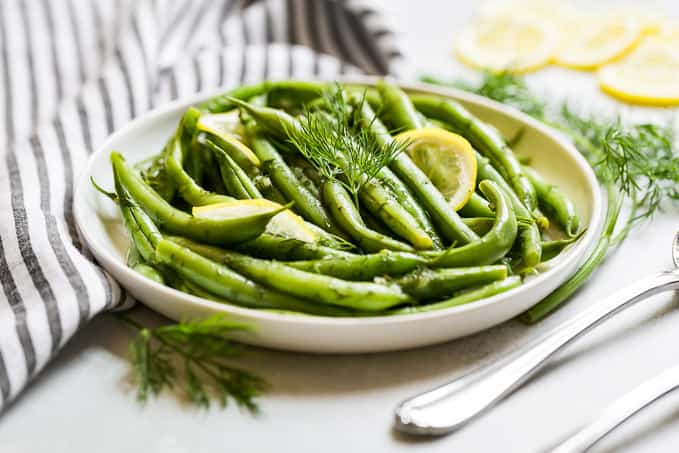
Few culinary creations boast the vibrant freshness and versatility of a well-crafted vinaigrette. Among them, the lemon dill vinaigrette stands out, offering a bright, herbaceous, and subtly tangy profile that elevates a simple dish into a gourmet experience. While fantastic on virtually any green salad, its true magic shines when paired with certain vegetables. Today, we're diving deep into mastering this exceptional dressing, particularly focusing on its harmonious relationship with the humble yet delightful green bean, transforming everyday meals into something truly special. Get ready to unlock the secrets to perfect
green beans with lemon dill vinaigrette, a side dish that promises to impress.
The Art of Crafting the Perfect Lemon Dill Vinaigrette
A homemade vinaigrette is a testament to fresh ingredients, and the lemon dill variety is no exception. Forget bottled dressings laden with preservatives; this recipe comes together in minutes with a handful of staple items, delivering unparalleled flavor. The key lies in understanding the role each component plays in creating a balanced and utterly delicious dressing.
At its heart, this vinaigrette balances a robust extra virgin olive oil with the bright acidity of fresh lemon juice, punctuated by the aromatic punch of fresh dill and shallot, and the savory depth of Dijon mustard.
Here’s a breakdown of the essential fresh ingredients for the best flavor:
*
Extra Virgin Olive Oil: This isn't just a base; it's a flavor contributor. High-quality EVOO offers complex notes – fruity, peppery, or even subtly citrusy – which enhance the overall dressing. For no-cook applications like vinaigrettes, always opt for the best quality you can find.
*
Fresh Lemon Juice (and Zest!): This is non-negotiable for that signature bright, tart flavor.
Freshly squeezed makes all the difference. For an even more intense lemony punch and beautiful aroma, don't shy away from adding a touch of finely minced lemon zest. If you're ever in a pinch without fresh lemons, a light vinegar like white wine vinegar or rice vinegar can be a decent substitute, but the unique zestiness of lemon is truly superior.
*
Fresh Dill: The undisputed star of the show. Its feathery fronds carry a unique, sweet, and slightly anisy flavor that is instantly recognizable and incredibly refreshing. We strongly advise against using dried dill weed here; it simply doesn't capture the same vibrant essence. If you happen to have extra fresh dill, consider using it in recipes like a creamy Dill Ranch Dressing or a classic Nicoise Salad.
*
Shallot: Minced shallot provides a gentle, aromatic oniony-garlicky foundation without overpowering the delicate dill and lemon. It's milder than raw onion and adds a subtle complexity. One small clove of garlic can be used as an alternative, but remember its potency.
*
Dijon Mustard: More than just a flavor enhancer, Dijon mustard is crucial for emulsification. It helps to bind the oil and acid together, creating a smooth, cohesive dressing. Its savory, slightly tangy profile also complements the other ingredients beautifully. Avoid standard yellow mustard, which lacks the depth and emulsifying properties of Dijon. Stone-ground or whole-grain mustards can also work.
*
Natural Sweetener (Honey or Maple Syrup): Just a touch – a teaspoon or two – is all it takes to balance the tartness of the lemon and the pungency of the shallot and Dijon. Honey and maple syrup are excellent choices, lending a subtle sweetness without being cloying.
*
Salt and Freshly Ground Black Pepper: Essential for seasoning and bringing all the flavors into harmony. Taste and adjust!
The preparation is elegantly simple: whisk all ingredients together until well combined and emulsified. The Dijon will work its magic, transforming the separate oil and lemon juice into a creamy, unified dressing.
Elevating Your Green Beans: The Perfect Pairing
While our lemon dill vinaigrette is incredibly versatile, its pairing with green beans is nothing short of sublime. The crisp, slightly sweet earthiness of the beans provides the perfect canvas for the bright, herbaceous dressing. This isn't just a side dish; it’s an experience in contrasting textures and complementary flavors.
To achieve truly outstanding
green beans with lemon dill vinaigrette, the preparation of the beans themselves is crucial.
1.
Selection: Choose fresh, vibrant green beans that snap easily. Haricots Verts, the slender French green beans, are a particularly elegant choice due to their tender texture and quicker cooking time, but standard green beans work wonderfully too.
2.
Preparation: Trim the tough stem ends of the beans. Washing them thoroughly under cold water is also essential.
3.
Cooking Method: Steaming is often the preferred method for this dish, as it preserves the beans' vibrant color and crisp-tender texture.
* Bring about an inch of water to a boil in a pot with a steamer basket.
* Add the trimmed green beans to the basket, cover, and steam for 3-5 minutes, or until they are bright green and tender-crisp. Avoid overcooking, as mushy beans will detract from the dish.
* For an alternative, blanching (boiling briefly, then shocking in ice water) also works, as does a quick sauté or roast for a slightly different texture profile.
Once your green beans are perfectly cooked, simply transfer them to a serving bowl. While they are still warm, drizzle generously with your freshly made lemon dill vinaigrette. The warmth of the beans helps to slightly soften the shallots and meld the flavors of the dressing beautifully. Toss gently to ensure every bean is coated, then serve immediately. This method creates an irresistible side dish that's both healthy and bursting with flavor. For a more detailed guide, you might enjoy our article on
Easy Lemon Dill Green Beans: Fresh Vinaigrette Recipe.
Beyond Green Beans: Unleashing the Vinaigrette's Versatility
The beauty of mastering this lemon dill vinaigrette extends far beyond green beans. Its bright, clean flavor profile makes it an incredibly adaptable dressing that can elevate a myriad of dishes. This is truly a "make a big batch and keep it on hand" kind of dressing!
Consider these other delicious applications:
*
Green Salads: Naturally, it's a stellar choice for mixed green salads, especially those featuring tender lettuces, cucumbers, and tomatoes. Add some crumbled feta or goat cheese for an extra layer of flavor.
*
Other Steamed or Roasted Vegetables: Drizzle it over steamed asparagus, broccoli, or even roasted carrots and potatoes. The fresh acidity cuts through the richness of roasted vegetables beautifully.
*
Grilled Fish or Chicken: A spoonful over grilled salmon, cod, or chicken breasts adds a burst of freshness that brightens the entire meal. It's particularly fantastic with any white fish.
*
Pasta Salads: Toss it with cooked pasta, cherry tomatoes, Kalamata olives, and feta for a refreshing Mediterranean-inspired pasta salad.
*
Grain Bowls: Elevate your quinoa, farro, or couscous bowls with a generous drizzle. Add roasted vegetables, chickpeas, and a protein for a complete meal.
*
Fresh Tomatoes: Simply slice fresh, ripe tomatoes and drizzle with the vinaigrette for a simple yet elegant appetizer or side.
*
Potato Salad: For a lighter, tangier take on potato salad, use this vinaigrette instead of a mayonnaise-based dressing.
As you can see, this dressing is a true kitchen MVP. Explore its full potential with our guide on the
Versatile Lemon Dill Vinaigrette: Perfect Green Bean Side Dish.
Pro Tips for the Perfect Vinaigrette Every Time
Achieving vinaigrette perfection is within everyone's reach with a few simple tips:
*
Taste, Taste, Taste: The most important rule in cooking! Always taste your vinaigrette and adjust seasoning (salt, pepper, honey, lemon juice) to your preference. It should be balanced – not too oily, not too tart, not too sweet.
*
Emulsification Matters: Whisk vigorously until the dressing is fully emulsified and appears creamy. If you find it separating, a quick re-whisk or shake will bring it back together. For extra stability, a small amount of lecithin (found in some health food stores) can be added, but Dijon usually does the trick.
*
Make Ahead & Store: This vinaigrette can be made several days in advance and stored in an airtight container in the refrigerator. The flavors often meld and deepen over time. Just give it a good shake or whisk before serving, as natural separation can occur.
*
Room Temperature Ingredients: Bringing your olive oil and lemon juice to room temperature can help with emulsification, especially if your kitchen is cool.
*
Finely Mince Aromatics: Ensure shallots are very finely minced so they integrate smoothly into the dressing and don't overwhelm with large pieces.
*
Experiment with Acidity: While fresh lemon is ideal, don't be afraid to experiment with other acids if you're looking for a different flavor profile, such as champagne vinegar or apple cider vinegar, for various applications.
Conclusion
The lemon dill vinaigrette is more than just a dressing; it's a culinary foundation that breathes life into countless dishes. Its incredible freshness, driven by quality ingredients and simple preparation, makes it a must-have in any home cook's repertoire. From transforming ordinary green beans into an extraordinary side dish to brightening up salads, proteins, and grains, its versatility knows no bounds. By understanding the core components and following these expert tips, you're now equipped to master this vibrant vinaigrette and infuse your meals with fresh, unforgettable flavors. So, grab your fresh dill, squeeze that lemon, and get ready to elevate your cooking!